

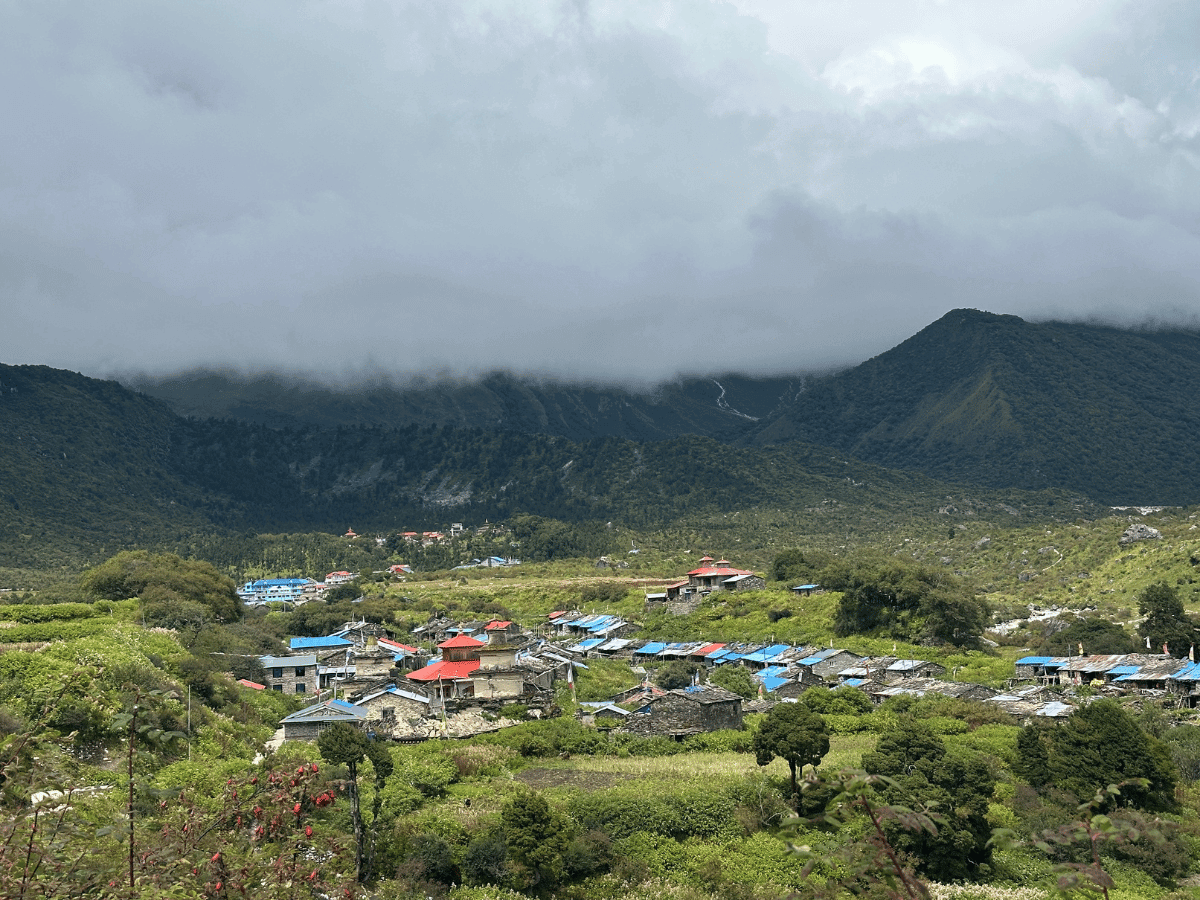
Why Acclimatization in Samagaun Is Essential for Manaslu Trek
Introduction
The Manaslu Circuit Trek has become one of Nepal’s most rewarding trekking adventures for travelers seeking breathtaking mountain scenery, authentic Himalayan culture, and a quieter alternative to the Everest and Annapurna regions. Every year, thousands of trekkers travel to the remote Manaslu region to experience dramatic landscapes, traditional Tibetan-influenced villages, ancient monasteries, and the unforgettable challenge of crossing Larke La Pass (5,106 m).
However, completing the trek successfully depends on more than physical fitness or determination. One of the most important factors is allowing your body enough time to adjust to the increasing altitude. For this reason, an acclimatization day in Samagaun is an essential part of every well-planned Manaslu Circuit Trek itinerary.
Many trekkers ask whether they can skip this extra day to shorten their trip. Although it may seem like a good idea, doing so can greatly increase the risk of altitude sickness and reduce your chances of reaching Larke La Pass safely. Fortunately, spending one additional day in Samagaun gives your body the opportunity to adapt while allowing you to enjoy some of the region’s most spectacular side hikes.
In this guide, you’ll discover why an acclimatization day in Samagaun is so important, how altitude affects your body, what you can do during your stay, and how this simple decision can make the difference between turning back early and successfully completing one of Nepal’s finest trekking routes.
Understanding Altitude on the Manaslu Circuit Trek
Before discussing Samagaun specifically, it’s helpful to understand why altitude is such an important factor during the Manaslu Circuit Trek.
As you climb higher into the Himalayas, the air becomes thinner and atmospheric pressure decreases. Although the percentage of oxygen in the air remains the same, each breath provides your body with less usable oxygen. As a result, your heart and lungs must work much harder than they do at lower elevations.
Most people begin noticing the effects of altitude after reaching approximately 2,500 meters. Above 3,000 meters, the chances of developing Acute Mountain Sickness (AMS) increase considerably, especially if the ascent is too rapid.
The Manaslu Circuit Trek gradually gains elevation over several days, making proper pacing essential.
A typical elevation profile looks like this:
- Soti Khola – 710 m
- Jagat – 1,340 m
- Deng – 1,860 m
- Namrung – 2,630 m
- Lho – 3,180 m
- Samagaun – 3,530 m
- Samdo – 3,860 m
- Dharamsala – 4,460 m
- Larke La Pass – 5,106 m
By the time you arrive in Samagaun, your body has already climbed more than 2,800 meters from the trailhead. Therefore, slowing down at this stage is not a luxury—it is a safety measure recommended by experienced trekking guides worldwide.
What Is Acclimatization?
Acclimatization is the natural process through which your body adapts to lower oxygen levels at higher elevations.
This adjustment does not happen instantly. Instead, your body gradually responds by increasing breathing efficiency, producing additional red blood cells, improving oxygen transport, and making better use of the oxygen available in the atmosphere.
Consequently, spending time at a higher elevation before climbing further significantly reduces the likelihood of altitude-related illnesses.
Many trekkers mistakenly believe that being physically fit protects them from altitude sickness. Unfortunately, that is not true. Professional athletes, marathon runners, and experienced hikers can all develop AMS if they ascend too quickly.
In other words, altitude affects everyone differently. Because of this, following a gradual itinerary is always more important than relying on fitness alone.
Why Is Samagaun the Perfect Place for Acclimatization?
Among all the villages along the Manaslu Circuit Trek, Samagaun is widely regarded as the ideal place to spend an extra day.
Located at approximately 3,530 meters, the village sits at the perfect elevation for your body to begin adapting before moving toward the much higher camps of Samdo, Dharamsala, and ultimately Larke La Pass.
Moreover, Samagaun offers comfortable teahouses, incredible mountain views, fascinating local culture, and several outstanding day hikes that support the “climb high, sleep low” principle recommended by high-altitude experts.
Instead of remaining indoors all day, trekkers hike to higher elevations before returning to Samagaun to sleep. This approach encourages faster acclimatization while minimizing the risk of AMS.
Benefits of Taking an Acclimatization Day in Samagaun
An extra day in Samagaun offers much more than simply resting your legs.
Your Body Adapts Naturally
First and foremost, your body receives valuable time to adjust to the thinner air. During this period, oxygen transport becomes more efficient, making the higher sections of the trek less demanding.
The Risk of Altitude Sickness Decreases
Equally important, the likelihood of developing Acute Mountain Sickness drops considerably when trekkers follow a gradual ascent schedule.
Although no itinerary can completely eliminate the risk, proper acclimatization dramatically improves your safety.
Crossing Larke La Pass Becomes Easier
Larke La Pass stands at 5,106 meters, making it the highest and most demanding point of the trek.
Without proper acclimatization, many trekkers experience severe fatigue, headaches, dizziness, or shortness of breath before reaching the pass.
By contrast, those who spend an extra day in Samagaun often report feeling stronger, more energetic, and better prepared for the long crossing.
You Enjoy Better Sleep
Many trekkers struggle to sleep well above 3,000 meters.
Fortunately, allowing your body time to adapt usually improves sleep quality before moving to even higher elevations.
Better sleep also means better recovery for the following trekking days.
Best Acclimatization Hikes from Samagaun
One of the biggest advantages of staying in Samagaun is the opportunity to explore some of the most beautiful places in the Manaslu region.
Hike to Birendra Lake
Located only a short walk from the village, Birendra Lake is famous for its striking turquoise water and spectacular views of the surrounding glaciers.
The peaceful atmosphere makes it an excellent choice for a light acclimatization hike, especially for trekkers who prefer a relaxed day.
Furthermore, photographers will find countless opportunities to capture reflections of snow-covered peaks in the crystal-clear lake.
Hike to Manaslu Base Camp
Trekkers looking for a more challenging adventure often choose the hike to Manaslu Base Camp, which reaches approximately 4,800 meters.
Although the climb is demanding, it provides the perfect opportunity to follow the “climb high, sleep low” strategy.
Along the way, you’ll enjoy unforgettable views of Mount Manaslu, glaciers, icefalls, and dramatic Himalayan landscapes that few visitors ever forget.
More importantly, returning to Samagaun afterward helps your body adjust before continuing toward higher camps.
Visit Pungyen Gompa
Another rewarding option is a walk to Pungyen Gompa, an ancient Buddhist monastery surrounded by magnificent mountain scenery.
Besides offering spiritual significance, the monastery provides a peaceful environment where trekkers can appreciate the rich cultural heritage of the Nubri Valley while enjoying panoramic Himalayan views.
For travelers interested in both culture and nature, this excursion is highly recommended.